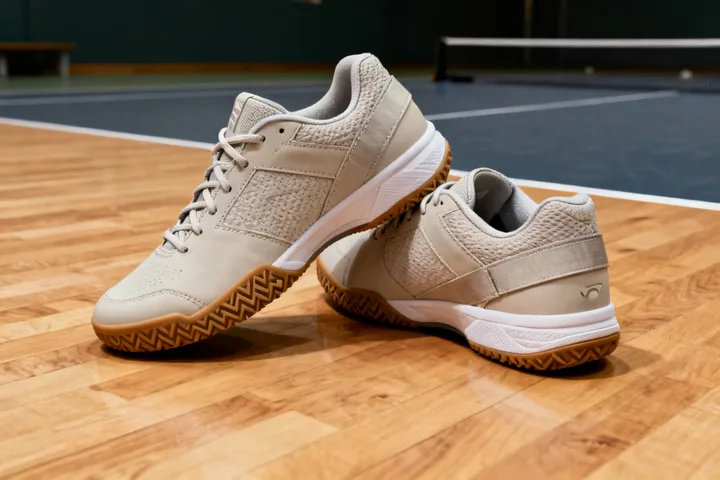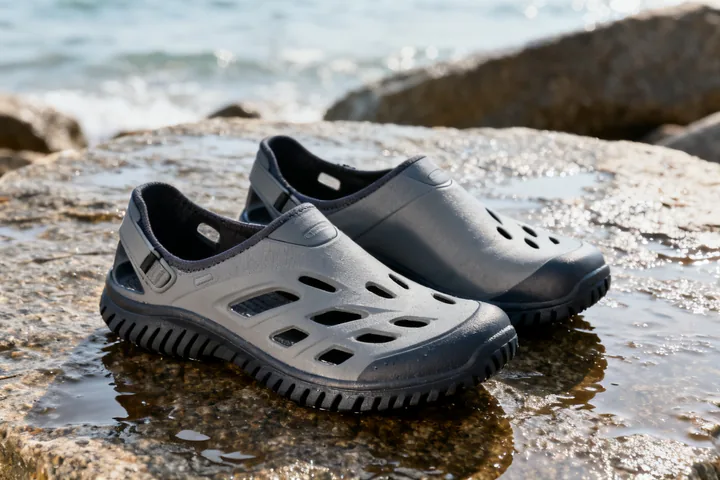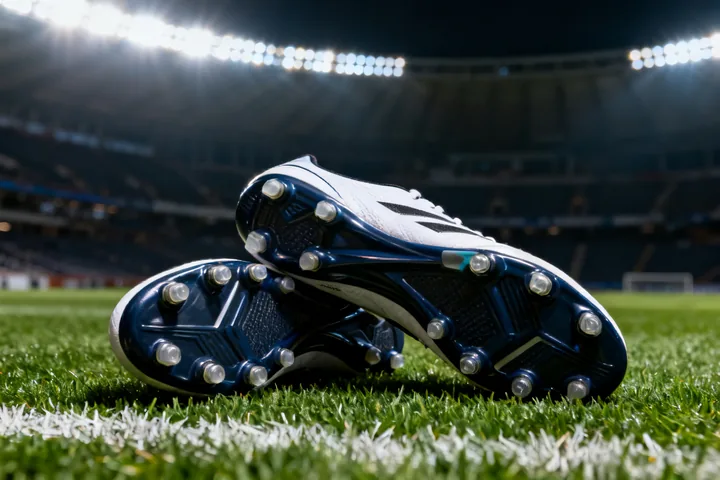
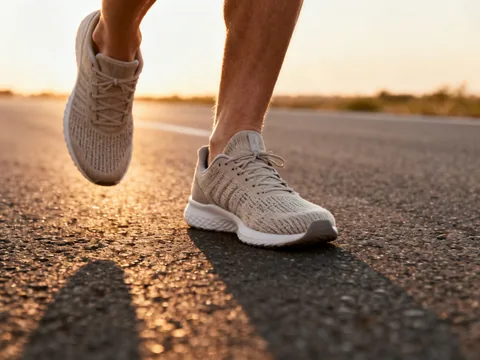
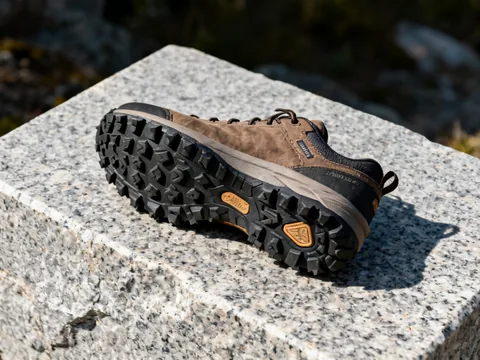
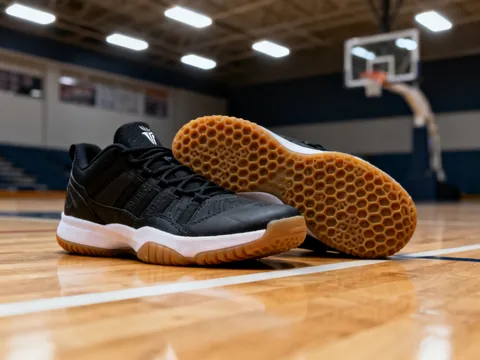
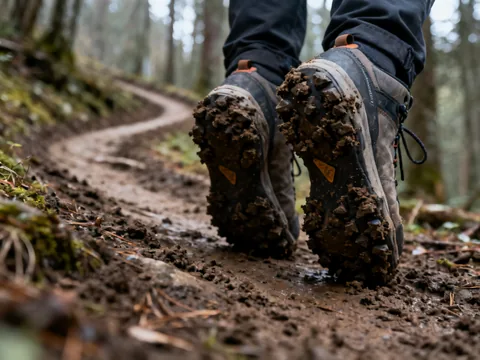
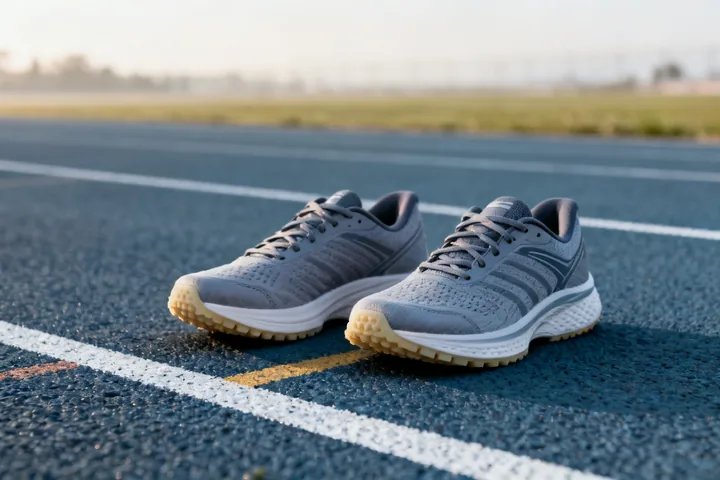
Road running on tarmac Trail running on rock Court sport interior Hiking approach path
Activity verticals

Ping footwear for road, trail, hike and team channels

Each vertical keeps its own last, drop and outsole language. A road trainer is not relabelled as a trail shoe because the photograph includes dirt.

Road running program

Road running

Daily trainers with compression-molded EVA at 42–48 Shore C, blown rubber crash pads and structured heel counters. Drop is stated at 8 mm on the P-Road last. Wholesale width notes remain stable across seasons because the last code was frozen in 2018.

Buyers who need youth sizes should flag CPSIA when the destination is North America. Textile chemistry follows the OEKO-TEX STANDARD 100 scope on the upper materials, not a blanket claim for the whole shoe. Recycled EVA, when nominated, prints the recycled percentage next to the compression-set window.
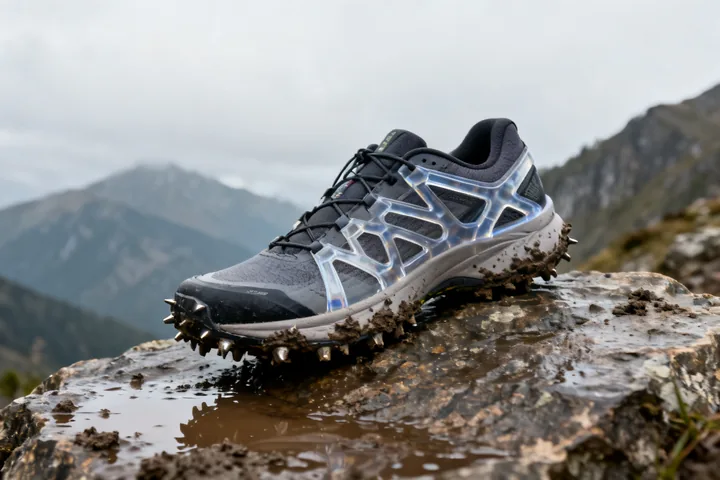
Trail running program

Trail running

Lugged rubber, TPU overlays and optional rock plates on the P-Trail last at 4 mm drop. Lug depth and whether a membrane bootie is included are quoted as separate lines. PU coating is not described as GORE-TEX. DWR knit is water resistant until hydrostatic head is measured on a bootie build.

A carbon-plated tempo brief on a trail last is accepted only when the plate geometry is already tooled. Hiking shanks are not substituted onto trail cups to “make them more stable.”

Hiking and approach

Hiking and approach

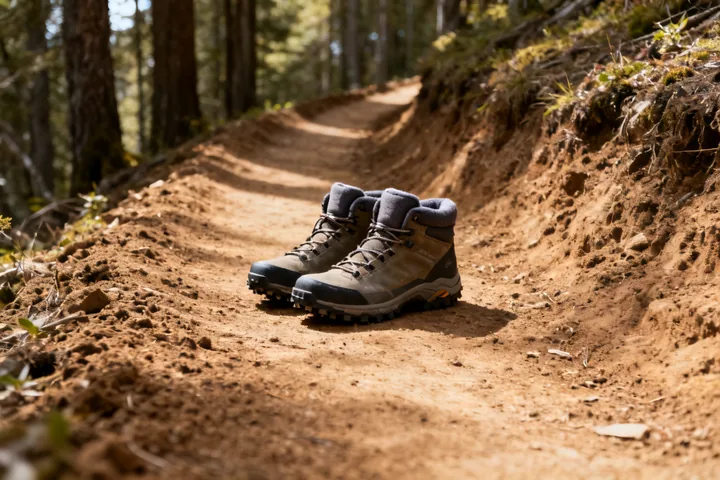
Higher collars, stiffer heel counters and mud-shedding lugs on P-Hike. Waterproof language requires a stated membrane and a 10,000 mm hydrostatic head. PU-coated uppers sit at 8,000 mm and are labeled as coated, not membrane. Leather-like overlays are called out separately from engineered knit because break-in and care differ for club rental fleets versus retail.

Court sports including ping pong shoes

Court, indoor and ping pong shoes

P-Court lasts use non-marking gum or herringbone rubber and a lateral cage. Indoor outsoles are not substituted onto outdoor tennis colorways without a compound note, because court dust and grit wear the two rubbers differently. Table-tennis and other indoor court briefs should name gum versus herringbone; trail lugs are declined for indoor floors.

Water and sandal program

Sandals, water and drainage lasts

P-Water lasts drain rather than seal. Hydrostatic-head language is not used on sandals. Siped non-marking rubber is quoted for wet decks; Vibram-nominated hike cups are not copied onto sandal footbeds. Water shoes are not flotation devices and do not inherit an EN ISO 12402 newton rating.

Soccer cleats and team channel

Cleats and team channels

Soccer cleats sit on a dedicated last. Stud layout for FG, AG and turf is not interchangeable. Team numbering method (sublimation versus screen versus embroidery) is locked to panel material. Knit tongues prefer sublimation; overlay panels can take stitch if the backing is specified.

How channels change the same Ping last

Retail and e-commerce

In-line colorways, consumer size sticks and published width. Returns data from doors should mention last code, not only SKU name, if a future drop needs a last change.

Wholesale

Mixed road and trail pallets need separate size-run matrices. Carton marks follow the destination language set, not a generic export stencil.

Club and team

Numbering method is locked to panel material. Roster size mix is required before cutting. Club visor and bucket-hat add-ons, when requested, are packed as accessories, not as footwear SKUs.

Brand OEM

Color chip, lining, hangtag and carton print stay inside existing lasts. New last geometry is not opened for a single seasonal colorway.

Match a Ping last to an activity vertical

Name road, trail, hike, court, water or cleats, plus channel and destination market. The quality page holds the method map; this form starts the line review.

Please enter your name.
Please enter a valid email.
Please enter your company name.
Please enter destination country or region.
Please select a product type.
Please select a buying channel.
Please share the product line or requirement.
Consent is required before submission.

Stock items: quote within 1 business day. Custom / OEM projects: full proposal within 5 business days. Compliance documentation requests: dossier within 3 business days.